AI Telescopes: The Robot Stargazers Taking Over the Night Sky!

Looking at galaxies and nebulae used to require driving hours to dark skies and mastering complex equipment. Not anymore. AI-powered telescopes have revolutionized stargazing, letting you view stunning deep-space objects from your backyard with just a smartphone. But with flagship models costing upwards of $2,500, are these robot stargazers worth the investment? Let’s explore how these smart scopes are transforming amateur astronomy.
Meet Your New Robot Astronomers
The latest generation of AI telescopes combines cutting-edge optics with intelligent software to create true backyard observatories. Here are the leading models that are reshaping the industry:
Celestron Origin ($3,999)
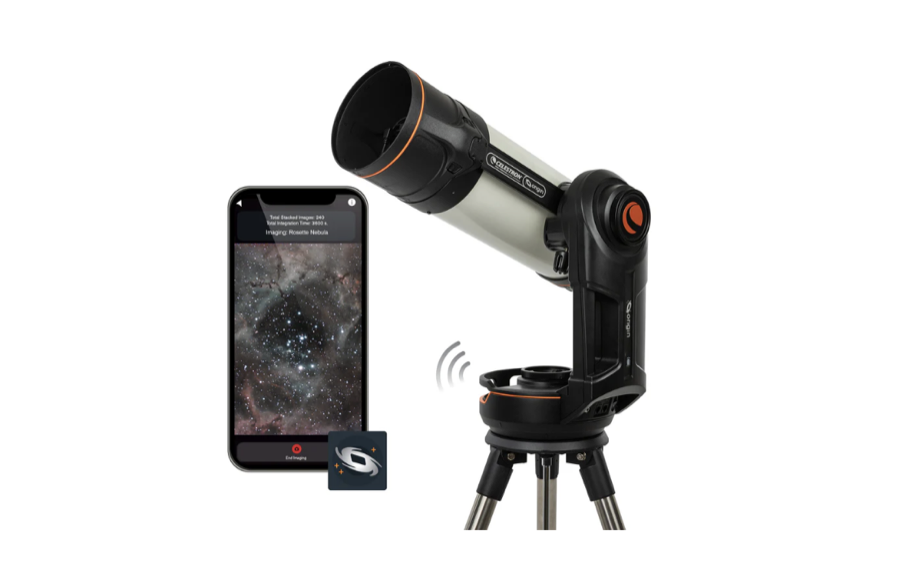
The flagship Celestron Origin stands out with its revolutionary RASA optical system – the same technology used for satellite tracking. Its 6-inch aperture and f/2.2 focal ratio capture stunning detail in seconds, while built-in AI algorithms process images in real-time.
The system features automated two-minute setup and alignment, allowing multiple users to view discoveries via smartphone app. Its built-in dew prevention system and raw image capture capabilities make it ideal for both beginners and advanced users. Perhaps most impressively, it can handle scheduled observations, turning your backyard into an automated observatory.
Unistellar eQuinox 2 ($2,499)
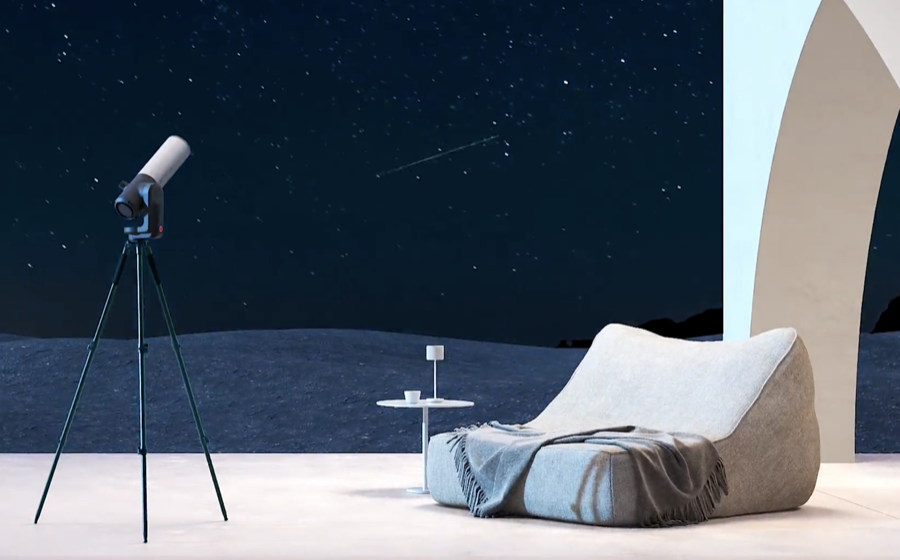
Perfect for urban astronomers, the eQuinox 2 specializes in defeating light pollution. Its Smart Light Pollution Reduction technology uses machine learning to reveal deep-sky objects even under bright city skies. With 6.2-megapixel resolution and an 11-hour battery life, it’s built for extended viewing sessions.
The telescope accesses a massive 37-million-star database and uses Enhanced Vision technology to deliver sharper images than traditional telescopes. It also connects users to a vibrant citizen science program.
Beyond Point-and-Shoot
What sets these telescopes apart isn’t just their ease of use – it’s their ability to show you things you could never see through a traditional telescope. Here’s what makes these AI scopes revolutionary:
- Real-time enhancement reveals nebula colors invisible to the naked eye
- Smart algorithms strip away light pollution to expose hidden galaxy details
- Automated tracking keeps objects centered perfectly for hours
- Multi-user connectivity transforms solitary viewing into social experiences
The Science Connection
These AI telescopes have become valuable tools for scientific research. Through partnerships with major institutions, amateur astronomers now contribute to asteroid tracking, variable star monitoring, and planetary defense initiatives. The Unistellar network alone has contributed to numerous NASA missions, proving that backyard astronomy can have global impact.
The Investment Question
While the price tags might cause sticker shock, consider the comparison to traditional setups. A comparable manual telescope system would require thousands in additional equipment—mounts, cameras, filters, and software.
More importantly, it would demand months or years of experience to achieve similar results. These AI scopes deliver professional-quality images from day one, handling complex tasks automatically and letting you focus on discovery rather than technical details.
Professional Features, Amateur-Friendly Operation
Both leading models include advanced capabilities that were once reserved for professional observatories. The Celestron Origin’s RASA optics capture more light in seconds than traditional telescopes gather in minutes.
Meanwhile, the eQuinox 2’s Enhanced Vision technology continuously improves image quality the longer you observe. Built-in environmental sensors help maintain perfect focus while preventing dew formation—challenges that often frustrate traditional telescope users.
The Bottom Line
AI telescopes represent a paradigm shift in amateur astronomy. They’re not just tools—they’re complete observatories that fit in your backpack.
While purists might miss the challenge of manual stargazing, these smart scopes are opening up the cosmos to a whole new audience.
The real question isn’t whether to embrace AI telescopes, but rather which model best suits your needs. Just don’t blame us if you find yourself spending more time in your backyard than your living room, sharing stunning galaxy photos with fellow stargazers around the world.
