How Dark Adaptation Works for Stargazing
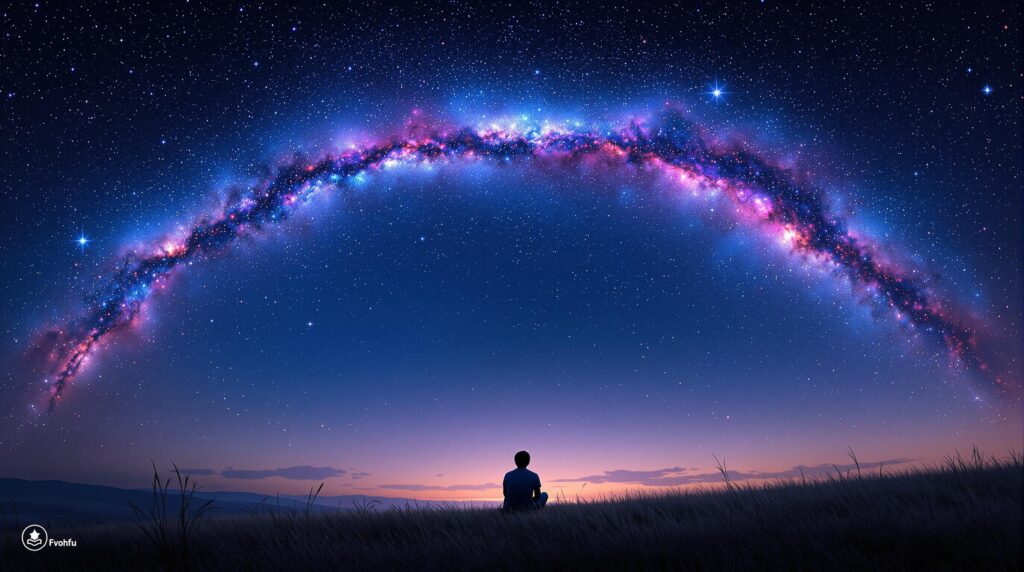
Want to see more stars while stargazing? Your eyes need about 30 minutes in total darkness to fully adjust and detect faint celestial objects. This process, called dark adaptation, relies on rod cells in your retina becoming more sensitive to low light.
Here’s a quick guide to get started:
- Avoid bright lights: Use dim red lights to protect your night vision.
- Pick a dark location: Stay away from city lights to reduce light pollution.
- Use side-viewing: Look slightly off-center to spot faint stars.
- Protect one eye: Cover one eye when using light to maintain dark adaptation.
With these tips, you’ll make the most of your night vision and enjoy breathtaking views of the night sky.
Train Your Eyes to See Like a Professional Astronomer
How Eyes Adjust to Darkness
When moving from bright light to darkness, your eyes go through a process called dark adaptation. This involves biological changes that improve your ability to see in low-light conditions.
Rod and Cone Cells
Your retina relies on two types of photoreceptor cells that work under different lighting conditions:
- Cone cells: Active in bright light, they help you see color and fine details.
- Rod cells: Highly sensitive to low light – up to 1,000 times more than cone cells – but they don’t detect color.
In the dark, your vision shifts from relying on cone cells to rod cells. This explains why faint stars often appear clearer when you look slightly off-center, as rod cells are more concentrated in the peripheral parts of your retina. This shift plays a key role in spotting dim objects at night.
Night Vision Chemistry
A critical part of this process is the regeneration of rhodopsin, a light-sensitive pigment in rod cells often called "visual purple." Bright light breaks down rhodopsin, but in darkness, your eyes rebuild it. This regeneration increases your sensitivity to dim light.
The 30-Minute Adjustment Period
It takes time for your eyes to fully adapt to the dark. Here’s how it works:
- First 10 minutes: Cone cells adjust quickly, providing a noticeable improvement in vision.
- 10 to 30 minutes: Rod cells regenerate rhodopsin, reaching peak sensitivity.
Several factors can influence this adjustment period:
- Age: Older adults may need more time to adapt.
- Eye health: Certain conditions can slow the process.
- Previous light exposure: Prolonged exposure to bright light can delay adaptation.
If you’re planning to stargaze, give your eyes about 30 minutes to adjust to the darkness for the best experience.
Best Practices for Night Vision
Follow these tips to get the most out of your stargazing sessions and protect your night vision.
Choosing the Right Location
Pick a spot far from city lights to avoid light pollution. A secluded area will help preserve your ability to see faint objects in the night sky.
Controlling Light Exposure
Avoid bright white lights as much as possible. If you need light, opt for dim red lights, which are less likely to disrupt your night vision.
Preparing Your Eyes
Give your eyes about 30 minutes in the dark before you start observing. This allows them to adjust fully and become more sensitive to faint light.
sbb-itb-9161f90
Night Vision Observation Methods
These techniques can help you spot faint celestial objects more effectively during your night sky observations.
Side-View Technique
Your retina’s outer regions, packed with rod cells, are more sensitive to dim light than the center. By looking slightly away from your target, you can take advantage of this sensitivity, making faint objects stand out more.
- Look slightly to the side of your target instead of directly at it.
- Use your peripheral vision to keep the object in view.
- Experiment with angles to find the best position for your eye.
This approach can significantly improve your ability to detect faint objects in low-light conditions.
Single Eye Protection
Using one eye for viewing while keeping the other protected helps maintain dark adaptation, especially when consulting star charts or adjusting equipment. This ensures one eye remains fully adjusted to the dark.
- Cover the eye you’re not using for observation.
- Use your dark-adapted eye to look through the telescope.
- Keep the non-adapted eye for tasks like reading star charts or using dim red lights.
Even brief exposure to bright light can disrupt your adaptation. Protecting one eye ensures you always have a fully adjusted eye ready for observing the night sky.
Common Night Vision Problems
Here’s a closer look at common challenges that can disrupt your ability to see in low-light conditions and how to address them effectively.
Both light pollution and sudden exposure to bright lights can interfere with your eyes’ adjustment to the dark during stargazing. Learning how to reduce these disturbances is essential for maintaining your night vision during observation sessions.
Dealing with Light Pollution
Light pollution can significantly impact your stargazing experience. To limit its effects, pick observation spots far from city lights. Use tools like dark sky maps to find the best locations. When you need light, opt for dim red lights to check star charts or adjust your gear, as red light is less disruptive to night vision.
Recovering from Bright Light Exposure
Even with precautions, accidental exposure to bright light can happen. If it does, use these steps to recover more quickly:
- Cover one eye right after exposure to preserve some of your night adaptation.
- Switch back to dim lighting – red light is ideal for minimizing further disruption.
- Be patient; it can take up to 30 minutes for your eyes to fully adjust to the dark again.
Tools and Websites for Stargazers
Having the right tools can make stargazing more enjoyable while also helping to maintain your night vision. Using reliable equipment and accurate information ensures you’re set up for an incredible experience.
A great resource for this is our blog Sat ND Telescope and Astrophotography, which focuses on tips and tools for preserving night vision.
Sat ND Telescope and Astrophotography
Sat ND is packed with guides and tools designed to improve your stargazing adventures. One standout feature is our telescope calculator, which helps you assess how well different equipment performs in low-light settings—crucial for keeping your night vision intact.
The platform caters to everyone, from beginners to seasoned stargazers.
Our blog is another valuable resource, offering practical advice on choosing telescopes, understanding low-light performance, and techniques to maintain dark adaptation. Sat ND aims to help stargazers make smarter choices and get the most out of their time under the stars.
Summary
Dark adaptation helps improve stargazing by making your eyes more sensitive to low light. It takes about 30 minutes in darkness for your rod cells to adjust and reach peak sensitivity.
Here’s how to make the most of this adjustment:
- Pick a spot far from city lights to avoid light pollution.
- Use red lights instead of white ones when working with your gear.
- Try looking slightly to the side of faint objects for better visibility.
- Cover one eye to keep it fully adjusted to the dark.
To maintain your eye’s adjustment, limit exposure to bright light before and during your stargazing session. Plan your outing during a new moon for the darkest skies, and get to your location before sunset.
Even a brief exposure to bright light can reset your adjustment, requiring another 30 minutes to recover.
