10 Smart Ways to Keep Your Telescope Lenses Spotless
Imagine peering through your telescope, a gateway to the cosmos, only to find the view marred by smudges and dust. You’ve painstakingly assembled your observation setup, but the clarity of your lenses dictates the quality of the stars and planets you so love to observe.
Keeping your telescope lenses spotless isn’t just about vital for maintaining the integrity of your observations. While you might know to avoid aggressive cleaning, there’s a world of nuanced techniques and tools that promise pristine lenses without the risk of damage.
Let’s explore the smart ways to achieve this, ensuring your next gaze into the night sky is as clear as the universe intended.
Key Takeaways
- Use a soft brush and microfiber cloth with a mild solution for effective, safe cleaning.
- Minimize cleaning frequency to once a year to protect lens coatings.
- Proper storage and handling, like using lens caps, prevent dirt accumulation and scratches.
- Regular inspection and gentle cleaning methods maintain lens clarity and longevity.
Understanding Lens Care
Properly caring for your telescope’s lenses, which often involves employing gentle cleaning methods, is important to preserve their coatings and guarantee maximum performance. The integrity of the lens surface is paramount in maintaining the optical quality of your telescope.
It’s critical to understand that the lens coatings are designed to enhance light transmission and reduce reflections, which are essential for achieving clear and sharp images. Any form of aggressive cleaning can easily damage these delicate coatings, leading to a significant degradation in optical performance.
To avoid such pitfalls, adopting a regimen of minimal interference is advisable. This means limiting the cleaning frequency to perhaps once a year under normal usage conditions. When you do decide to clean, selecting the appropriate tools and solutions is key. Opt for specialized products, like a LensPen or a dedicated Lens Cleaning Kit, which are specifically formulated for optical equipment. These products are designed to effectively clean without harming the lens coatings.
Removing Surface Dust
After understanding the importance of gentle lens care, it’s now important to focus on removing surface dust, a fundamental step in maintaining your telescope’s optical clarity.
Utilizing a blower bulb or compressed air is an efficient method to gently remove surface dust from your telescope lenses. This approach guarantees that you’re not touching the lenses directly, which is vital to avoid introducing fingerprints or smudges during the cleaning process.
Dust particles, albeit small, can greatly affect image quality. Their regular removal is hence integral for ensuring clear views. For this task, a clean, soft brush, preferably a camel hair brush, proves to be highly effective in brushing away surface dust without scratching the lens surface. It’s pertinent to remember that the goal of this cleaning phase is to dislodge and remove dust particles without the use of water or any liquid cleaning agents, which aren’t suitable for this initial dust removal step.
Keeping your telescope lenses spotless isn’t just about aesthetics; it directly enhances performance and ensures you’re rewarded with best viewing experiences. Regularly removing surface dust, thus, isn’t just cleaning—it’s an investment in preserving the quality and functionality of your telescope.
Gentle Cleaning Techniques
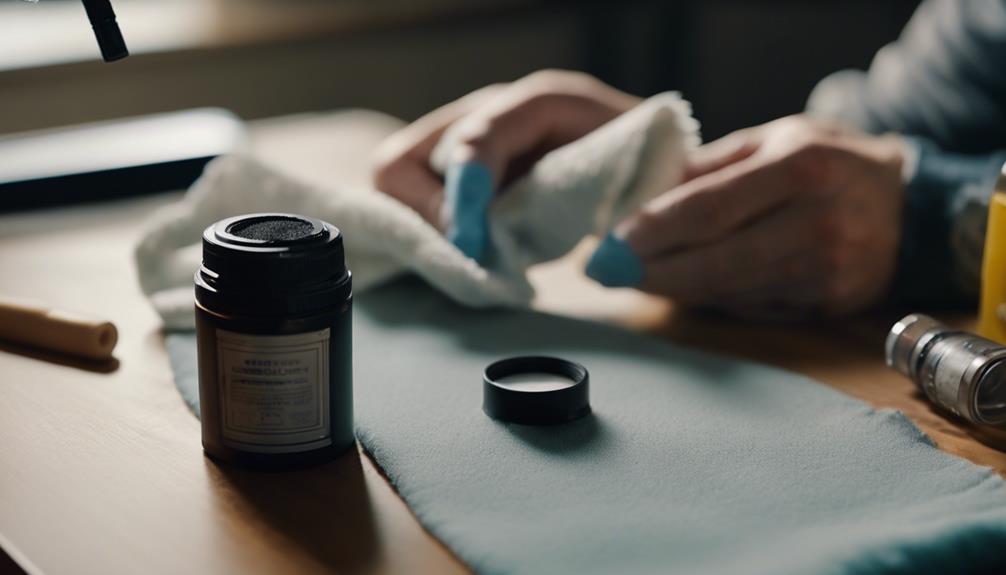
Once you’ve removed loose particles from your telescope lens, it’s important to proceed with soft brush dusting and microfiber cloth usage for deeper cleaning. Utilizing a soft brush allows you to dislodge any residual dust without scratching the lens surface.
Following this, a microfiber cloth, paired with a mild cleaning solution, guarantees a thorough and gentle removal of smudges and dirt, maintaining the integrity of your lens.
Soft Brush Dusting
To maintain the pristine condition of telescope lenses, employing soft brush dusting, a method that efficiently removes loose dirt without harming the lens surface, is essential. Utilizing a soft brush, specifically designed for optics, is vital as it minimizes the risk of scratching or damaging the delicate lens coatings.
This gentle approach not only preserves the integrity of the telescope lenses but also guarantees that clear views are maintained. Regular application of this method can prevent the accumulation of dirt, hence safeguarding your investment and enhancing your stargazing experience.
| Technique | Purpose | Frequency |
|---|---|---|
| Soft Brush Dusting | Removing loose dirt and debris | As needed |
| Minimizing damage to lens coatings | ||
| Maintaining clear views | Regularly | |
| Preventing dirt accumulation | ||
| Preserving lens integrity |
Incorporating soft brush dusting into your lens care routine is a smart, gentle way to keep your telescope lenses spotless.
Microfiber Cloth Usage
Switching to microfiber cloth usage offers a superior, gentle technique for cleaning telescope lenses, guaranteeing they remain clear and undamaged. Microfiber cloths, being soft and non-abrasive, are the ideal choice for this delicate task. They effectively remove smudges, fingerprints, and dust without risking the integrity of the lens surface.
Consider these advantages:
- Microfiber material traps dirt and particles, minimizing the risk of scratching the delicate coatings on your optics.
- Using clean, lint-free microfiber cloths designed for optics guarantees a thorough and safe cleaning process.
- Regular use maintains the clarity and performance of your telescope lenses, keeping them spotless and free from contaminants.
Embracing microfiber cloth usage is a smart, preventative measure to protect your investment and guarantee the longevity of your telescope’s optics.
Selecting Cleaning Tools
Selecting the right cleaning tools is vital for maintaining your telescope’s lenses in pristine condition. You’ll need to choose tools that effectively remove dirt without compromising the lens’s delicate surface. This includes soft brushes, microfiber cloths, and specific liquid cleaning solutions.
Ensuring you use these tools properly can greatly enhance your telescope’s performance and longevity.
Appropriate Cleaning Cloths
Choosing the right cleaning cloths is important for preserving the integrity and enhancing the performance of your telescope lenses. When selecting your cleaning tools, consider the following:
- Microfiber cloths are ideal due to their soft, lint-free nature, ensuring a gentle yet effective cleaning process.
- Lens cleaning tissues designed specifically for optical use are recommended for removing smudges and fingerprints, safeguarding against scratches.
- A camel hair brush serves as an essential tool to dislodge loose particles before employing the use of cleaning cloths or tissues, preventing potential damage.
Employing these tools thoughtfully can have a significant impact on the longevity and clarity of your telescope lenses. Always choose materials that complement the delicate nature of optical surfaces, ensuring peak performance and preservation.
Liquid Cleaning Solutions
For best lens maintenance, it’s important to carefully select a liquid cleaning solution that effectively removes dirt without damaging optical surfaces. A blend with a 3:1 ratio of distilled water to 90% or higher isopropyl alcohol is best.
This mixture ensures efficient cleaning of telescope lenses while avoiding residue or streaks that tap water or lower concentration alcohol might leave behind.
Incorporating just a drop of soap can further assist in breaking down oils and grime. However, be vigilant to choose a soap that’s safe for optical surfaces, maintaining the clarity essential for stellar observation. Proper selection of cleaning solutions is essential, not only for keeping the lenses spotless but also for preserving the quality of your observations.
Air Blowing Devices
After discussing liquid cleaning solutions, it’s important to consider air blowing devices as a primary step in keeping telescope lenses clean. Air blowing devices, such as bulb blowers and compressed air, play a vital role in the preliminary removal of loose debris without contacting the lens surface directly.
Here’s why they’re essential:
- Bulb blowers offer gentle bursts of air, effectively dislodging dust particles without risking damage.
- Compressed air targets dirt and dust in hard-to-reach areas, ensuring thorough cleanliness with careful application.
- Selecting the appropriate air blowing device prevents scratching or damaging the optics, making it an ideal initial cleaning step.
Fundamentally, understanding and utilizing these tools guarantees efficient, safe lens maintenance, laying the groundwork for a spotless, scratch-free viewing experience.
Preparing Lens Solution
To ensure your telescope lenses remain in peak condition, start by mixing distilled water and isopropyl alcohol at a 90% concentration in a 3:1 ratio, adding a drop of soap for an effective cleaning solution.
This precision-engineered mixture leverages the high evaporation rate and potent cleaning capabilities of isopropyl alcohol, ensuring a thorough cleanse without leaving behind residues that could mar your optical experience. The inclusion of distilled water dilutes the alcohol to a safer concentration, mitigating the risk of potential damage to delicate lens coatings.
It’s important to understand that the choice of isopropyl alcohol at 90% or higher concentration isn’t arbitrary. This specific formulation excels at dissolving both water spots and oily residues, common contaminants that can impair viewing quality.
The addition of a single drop of soap to the solution introduces a mild surfactant, enhancing the solution’s ability to break down and lift away stubborn particles without the need for abrasive scrubbing.
Establishing Maintenance Routine
To make sure your telescope’s lenses remain in prime condition, it’s important you establish a regular cleaning schedule, adhering to annual cleanings under normal usage conditions.
Additionally, proper storage solutions, including dust-free environments and protective covers, greatly reduce the necessity for frequent maintenance.
Regular Cleaning Schedule
Establishing a regular cleaning schedule is essential for maintaining the optical performance of your telescope lenses. Adhering to a disciplined routine guarantees that your telescopes optics remain in peak condition, safeguarding the quality and functionality that enthusiasts and professionals alike depend on.
Here are three key points to keep in mind:
- Cleaning your optics once a year under normal conditions is usually enough to keep them spotless, preserving their clarity and precision.
- Avoid over-cleaning to prevent inadvertently damaging the lens coatings and optical surfaces, which are crucial for maintaining high-quality observations.
- Employ gentle cleaning methods to ensure the longevity of your telescope lenses, protecting their delicate surfaces from scratches or other forms of wear.
Proper Storage Solutions
After ensuring your telescope lenses are clean, it’s equally important to focus on proper storage solutions to maintain their pristine condition over time.
Store your telescope in a dry, dust-free environment, utilizing protective covers to shield the lenses from particulates. For those owning a Celestron telescope, keeping it indoors is essential to prevent exposure to the harsh external elements that can degrade optical quality.
In humid climates, integrating desiccant packs into your storage routine absorbs moisture, thwarting lens fogging—an important step in Optical Lens Cleaning maintenance.
Before tucking your telescope away, acclimatize it to room temperature to avert condensation formation. Additionally, removing batteries from electronic components is crucial to prevent corrosion, further safeguarding your equipment’s longevity and performance.
Inspection and Care Tips
Regular inspection of your telescope lenses for any signs of dirt, smudges, or debris is important in maintaining their best performance. To make sure your lenses remain in pristine condition, integrate these steps into your maintenance routine:
- Always use lens covers or caps when the telescope isn’t in use. This simple action protects the front lens from dust and scratches, reducing the frequency of thorough cleanings needed.
- Avoid touching the lenses with bare hands. Oils and dirt from your skin can adhere to the glass, making them harder to clean and potentially affecting your viewing experience.
- Implement gentle cleaning methods when necessary. For light dust, use a blower. For smudges, dampen cotton balls or use a cotton swab with a recommended cleaning solution, applying minimal pressure to avoid damage to the front lens.
Proper Storage Tips
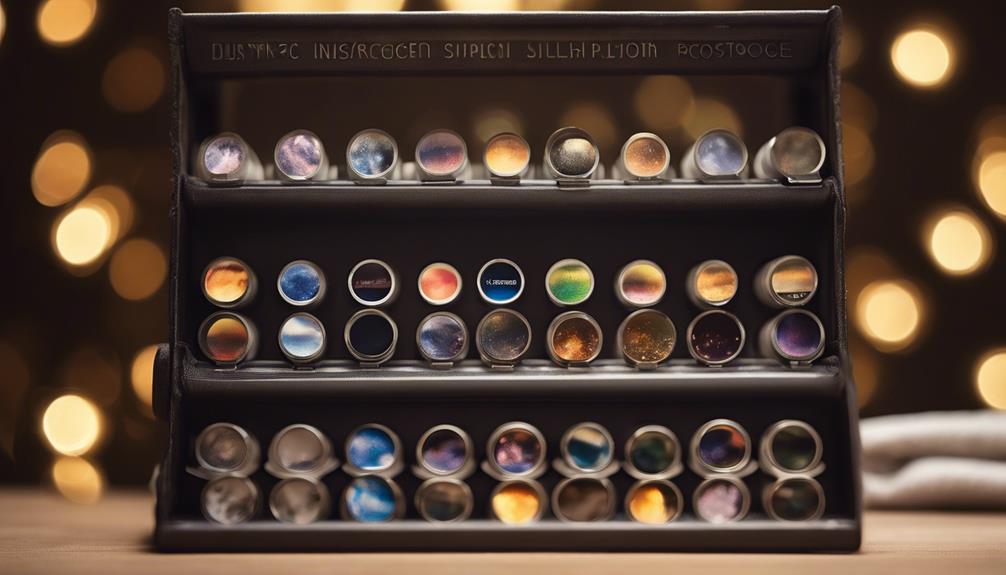
To confirm your telescope’s lenses remain spotless, always store it in a dry, dust-free environment. This is essential in preventing debris accumulation which could mar your lenses.
Before storing, make sure the telescope acclimates to room temperature to avoid moisture buildup that can lead to fungal growth or lens damage. Using cotton swabs to remove dust gently from the lens surfaces before encasing them with protective covers can further safeguard against contaminants.
It’s also important to remove batteries from any electronic components of your telescope before storage. This step prevents potential battery leakage that could cause irreversible damage to the electronic systems.
In regions with high humidity, consider incorporating desiccant packs within your storage area. These packs absorb excess moisture, maintaining a dry environment that keeps your lenses spotless.
Handling Practices
Beyond proper storage, handling your telescope with meticulous care greatly impacts lens cleanliness. Ensuring the longevity and performance of your instrument hinges on adopting precise, careful handling practices, particularly with sensitive components like lenses or mirrors. In the domain of telescope maintenance, the adage ‘less is more’ often applies, especially when it comes to physical contact.
- Avoid touching the lenses or mirrors: Direct contact with these components can transfer oils and dirt from your skin, obscuring your view of the cosmos. Even a small fingerprint can notably degrade the quality of your observations, especially in high-precision instruments like a Newtonian telescope.
- Use a lens cap religiously: Whenever your telescope isn’t in active use, shielding its delicate surfaces from dust and debris with a lens cap is a non-negotiable practice. This simple action can prevent a myriad of cleanliness issues down the line.
- Invest in a protective case or bag: To minimize the risk of environmental contaminants affecting your telescope, a protective case or bag is essential. This enclosure acts as a barrier against dust, moisture, and other particulate matter, ensuring that your lenses or mirrors remain pristine.
Avoiding Scratches
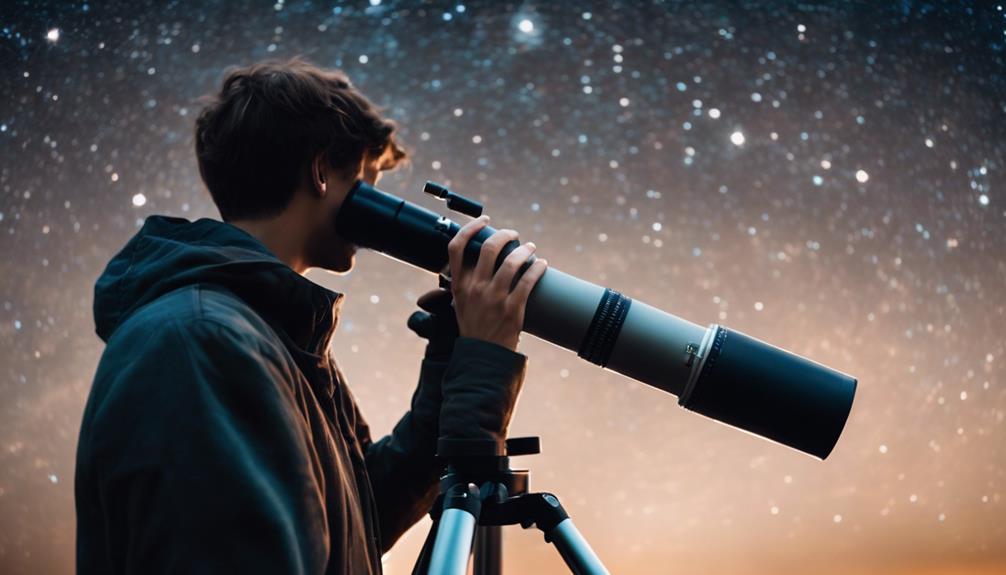
Avoiding scratches on your telescope’s lenses requires meticulous attention to the cleaning process, utilizing soft brushes and microfiber cloths to prevent any damage. Microscopic dust particles, although seemingly important, pose a substantial risk to the integrity of your telescope’s lenses.
These particles can create scratches, greatly affecting the image quality and clarity during observation. It’s important to employ gentle cleaning techniques and regular maintenance to safeguard your lenses from such damage.
When removing dust particles, it’s vital to use cleaning tools specifically designed for delicate surfaces. Soft brushes can gently dislodge dust without causing abrasions, while microfiber cloths, known for their softness and effectiveness in trapping particles, are ideal for wiping the lenses clean. Avoid using abrasive materials or rough cloths, as these can cause irreversible scratches on the delicate surfaces of your telescope lenses.
For thorough cleaning, especially when dealing with the more intricate parts like the eyepiece lenses or the necessity to remove the mirror for maintenance, utmost care is necessary. Each component requires a thoughtful approach to make sure that the cleaning doesn’t introduce scratches. This careful maintenance ensures that your telescope continues to provide clear and precise observations.
Determining Cleaning Frequency
Determining the best frequency for cleaning telescope lenses involves evaluating their exposure to dust and debris, as well as the potential risk of damaging the coatings through overzealous maintenance. Under normal conditions, cleaning your telescope lenses once a year is generally sufficient. This frequency strikes a balance between maintaining best performance and safeguarding the delicate coatings that enhance your viewing experience.
Consider these facts when deciding how often to clean your lenses:
- Dust and debris don’t notably affect image quality on telescope lenses. Minor particles are usually out of focus and don’t degrade the clarity of celestial objects you’re observing.
- Regularly inspecting lenses for smudges and dirt can help determine when cleaning is necessary. This proactive approach allows you to assess the actual condition of your lenses rather than adhering to a strict schedule.
- Using gentle cleaning methods and appropriate solutions can maintain the spotless quality of telescope lenses without risking damage. This ensures that when you do decide to clean, you’re doing so safely and effectively.
In essence, the frequency of cleaning should be informed by the condition of your lenses and their exposure to environmental factors, rather than a predetermined timeframe. This technical and analytical approach guarantees the longevity and best performance of your telescope.
Frequently Asked Questions
What Is the Best Solution to Clean Telescope Lenses?
To clean your telescope lenses effectively, mix distilled water and 90%+ isopropyl alcohol in a 3:1 ratio, adding a soap drop. This solution cares for lens coatings and combats humidity and dust, ensuring clarity.
How Do You Clean a Blurry Telescope Lens?
To clean a blurry telescope lens, regularly inspect it for dust and smudges. Use distilled water and isopropyl alcohol for cleaning, and store with lens caps on to prevent dust, ensuring spotless, clear observations.
Can I Use Microfiber Cloth to Clean Telescope Lens?
Yes, you can use microfiber cloth to clean your telescope lens. Its fine fibers enhance lens durability, trap debris effectively, and are ideal for various microfiber types. Regular cleaning maintains clarity without damaging the lens.
Should I Clean My Telescope Lens?
You shouldn’t clean your telescope lens frequently. Imagine a lens harmed by overzealous cleaning. Focus on dust prevention and consider professional servicing to guarantee precision. Regular, unnecessary cleaning risks damage, outweighing potential clarity benefits.
Conclusion
In summary, mastering the art of keeping your telescope lenses immaculate hinges on adopting precise, analytical methods. You’ve discovered the secrets—gentle dust removal, meticulous selection of cleaning tools, and crafting the perfect lens solution.
But remember, the journey doesn’t end here. Your lenses’ clarity and longevity rest in your hands, guided by smart handling and storage practices. Tread carefully; the path to best viewing experiences is fraught with potential pitfalls.
Only the diligent observer will reveal the true potential of their telescope, witnessing the cosmos in unparalleled detail.


